Salt does not need to touch the sea to reach you
Salt-laden air travels several kilometres inland on this coast, and it deposits on every surface. On steel it starts corrosion. On concrete it works through the cover and attacks the reinforcement inside, which then expands and cracks the concrete off from within. That process is called spalling, and it is why balcony soffits and exposed lintels fail on coastal homes decades before anyone expected.
The defence is boring and cheap at build stage: increase cover to reinforcement, specify the right cement, and never use mild steel where it will be exposed.
Every external fixing is a decision
The screws holding your gutter brackets, the bolts on the balustrade, the hinges on the gate, the wall plugs behind the light fitting. Standard zinc-plated fixings on an exposed coastal elevation will show rust streaks within a season and fail within a few years.
Stainless steel or hot-dip galvanised for anything living outside is not a luxury upgrade here. It is the baseline, and the price difference on a whole house is smaller than one round of remedial painting.
- Stainless or hot-dip galvanised for all external fixings
- Marine-grade or powder-coated aluminium for windows and doors
- Avoid mild steel lintels on exposed elevations
- Check the grade of gate hardware and motor mountings
Wind loads are a structural problem, not a comfort problem
The south-easter in summer and the north-wester in winter both put real uplift into roofs on this coast. A roof is held down by its fixings, not by its weight, and a patio roof with a large overhang behaves like a wing.
Tie-downs, strap fixings at the wall plate and correctly specified purlin connections are what keep a roof on. This is the detail most commonly under-built on cheap patio structures, and it is the one that fails spectacularly.
Wind-driven rain finds different paths to normal rain
Rain arriving horizontally at forty knots gets into places that vertical rain never touches: under the lip of a window sill, through an unsealed cavity, up under a flashing that was detailed for gravity. Leaks on this coast frequently appear metres from where the water actually entered the building.
Sealant is not a detail, it is a temporary repair. Real weathering means overlaps in the right direction, metal flashings, and drips that throw water clear.
Sand is a good foundation and a bad one
West Coast sand drains beautifully and does not swell like the clays found further inland, which is a genuine advantage. What it does not do is offer much resistance to a narrow, shallow footing under a tall element like a boundary wall or a gate pier.
Founding to the right width and depth for the actual load is the whole game. This is why so many boundary walls on this coast lean, and why so few of them needed to.
Glazing is where the money goes, and should
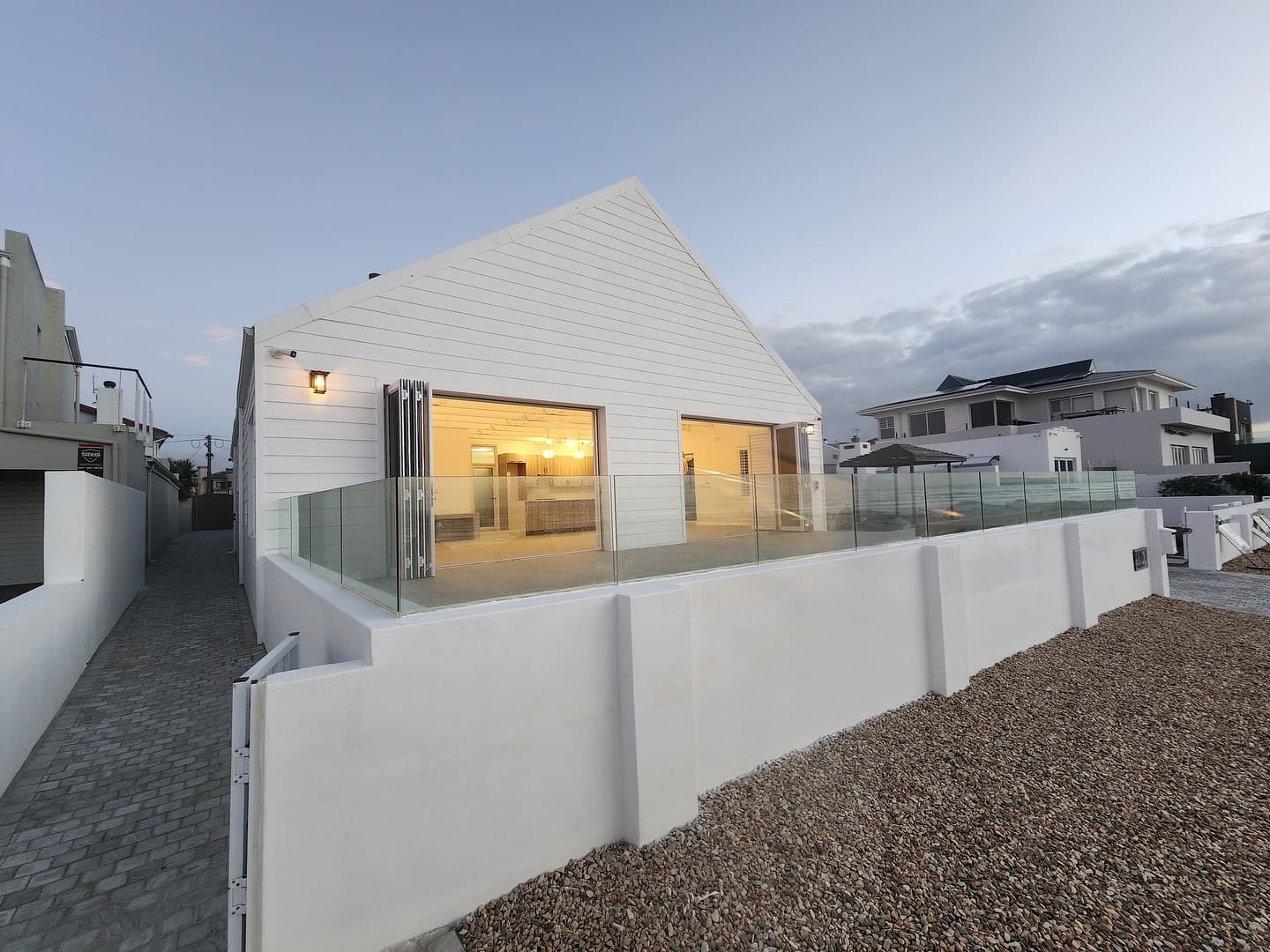
The best view on your plot is worth having, and a large glazed opening facing the Atlantic is exposed to everything above at once: salt, wind load, and driven rain. A residential-grade sliding door specified for a suburban garden will not perform here.
Specify the system for the exposure. It is a bigger line item than most people expect and it is the last place on a coastal house to economise.
Written by Edward Whelan, Spoednik Construction · Updated August 2026